
What Evidence Helps Strengthen a Personal Injury Case and Prove Negligence
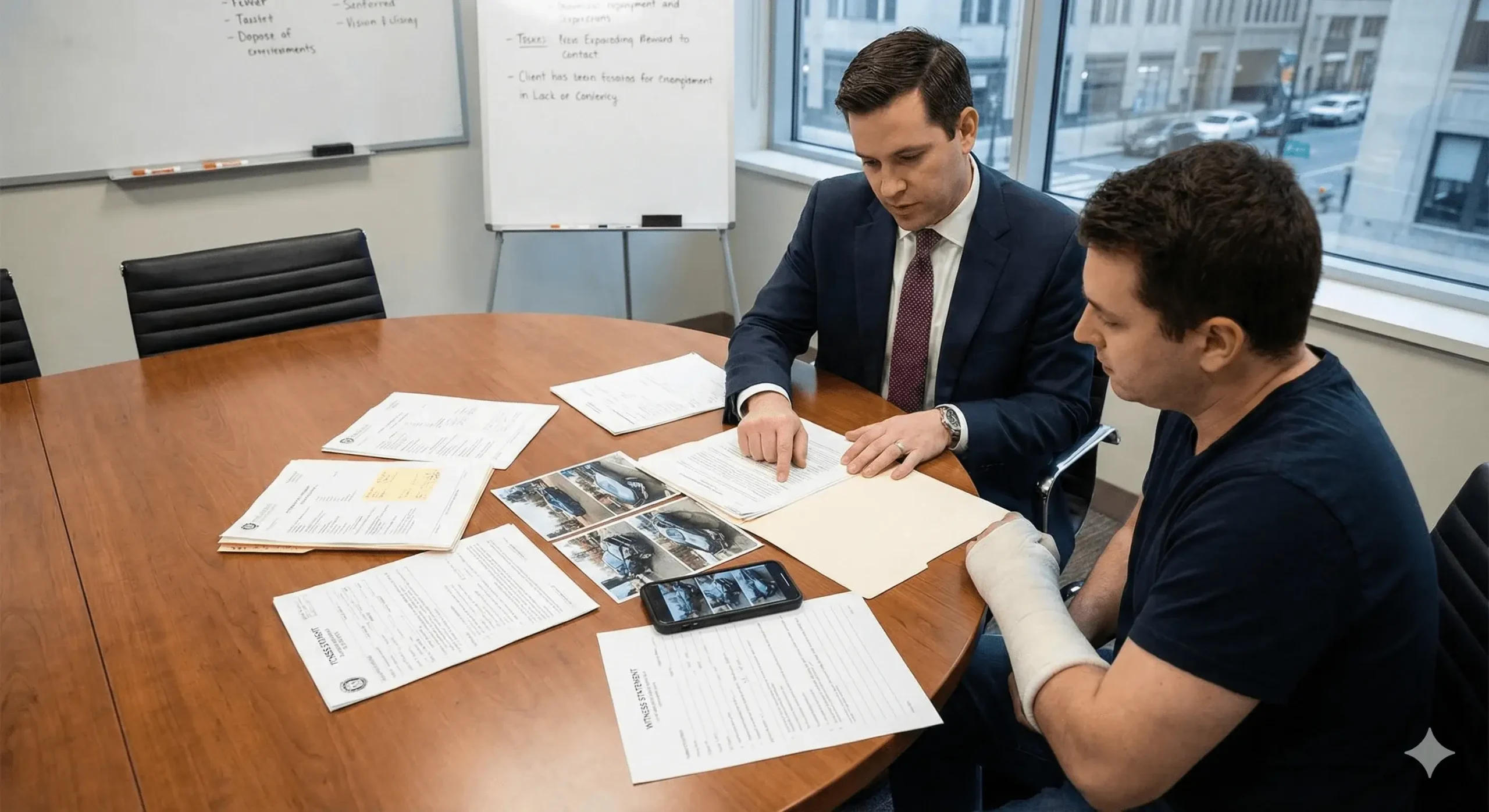
The evidence you collect after an accident plays a major role in whether a personal injury claim succeeds or fails. Insurance companies rely on documentation not statements alone to determine fault, damages, and settlement value.
Medical records, accident reports, photos, witness statements, and financial proof are essential under personal injury laws, especially in states like Florida and Texas, where early and well-documented evidence can significantly affect claim outcomes.
What Types of Evidence Matter Most in a Personal Injury Case?
Evidence in a personal injury claim generally falls into two essential categories: liability evidence, which shows who caused the accident, and damages evidence, which proves how the injury affected you physically and financially.
If you are pursuing a personal injury claim in Florida, insurers will closely examine whether your evidence clearly connects fault to documented injuries and losses.
Strong claims require both types, clearly connected through consistent documentation, timelines, and medical support.
Medical Records and Bills: The Core Evidence That Proves Injury and Damages
Medical documentation is the foundation of nearly every personal injury claim. Without it, insurers may argue that injuries were unrelated, minor, or pre-existing.
In Florida, delays in treatment can raise questions about injury severity and timing, which is why understanding how long you have to file a personal injury lawsuit in Florida is closely tied to when medical evidence is created.
Medical evidence that strengthens a personal injury case includes:
- Emergency room or urgent care records linking treatment to the accident
- Physician diagnoses, treatment plans, and referrals
- Imaging results such as X-rays, MRIs, or CT scans
- Physical therapy and follow-up care documentation
- Itemized medical bills proving economic damages
In Florida, delays in medical treatment are often used to challenge injury severity, making early medical records especially important.
Photos and Videos That Help Prove Fault After an Accident
Visual evidence captures details that written statements cannot and is difficult for insurance companies to dispute.
Knowing what to do immediately after a car accident can help ensure critical photos, videos, and scene details are preserved before they are lost or altered.
Useful visual evidence includes:
- Photos of vehicle damage, skid marks, or unsafe property conditions
- Images documenting visible injuries over time
- Dashcam footage or nearby surveillance video
- Traffic or business security camera recordings
This type of evidence is particularly valuable in motor vehicle and premises liability cases.
Police and Incident Reports: Why Official Records Matter
Official reports provide neutral, third-party documentation of how an accident occurred and are frequently relied on during insurance investigations.
This documentation is important not only in Florida, but also in personal injury cases in Texas, where police reports often play a key role in determining fault during claim evaluations.
Common reports used in injury claims:
- Police accident reports noting time, location, and citations
- Workplace or property incident reports
- Fire or emergency responder documentation
These records often carry significant weight during insurance negotiations in both Florida and Texas, even if they are not always admitted at trial.
How Evidence Is Used to Prove Negligence in a Personal Injury Case
To recover compensation, a personal injury claim must establish negligence, which consists of four legal elements.
After negligence is established, the evidence is evaluated as part of the broader personal injury legal process, including insurance negotiations and potential litigation.
The four elements of negligence and supporting evidence:
| Element of Negligence | What It Means | Evidence That Helps Prove It |
| Duty of Care | The at-fault party had a legal obligation to act safely | Traffic laws, safety regulations, property maintenance standards |
| Breach of Duty | The party failed to meet that obligation | Photos of hazards, citations, witness statements |
| Causation | The breach directly caused the injury | Medical opinions, expert testimony, accident reconstruction |
| Damages | The injury resulted in measurable harm | Medical bills, lost wages, treatment records |
This framework applies across states, including Florida and Texas, though insurance rules and fault standards may vary.
Witness Statements and Expert Testimony That Support Liability
Witnesses add credibility and context that physical evidence alone may not provide.
Testimonial evidence may include:
- Eyewitness accounts describing how the accident occurred
- Medical experts explaining injury causation and prognosis
- Accident reconstruction specialists in disputed cases
Expert testimony is especially important when fault is contested or injuries are severe.
Financial Records and Personal Documentation That Increase Compensation
To pursue full compensation, you must show how the injury affected your income and daily life.
Important supporting records include:
- Pay stubs and employer wage verification letters
- Tax returns for self-employed individuals
- A pain and suffering journal documenting pain levels, limitations, and emotional impact
These records help support non-economic damages, which insurers often undervalue without detailed proof.
What to Do Immediately After an Accident to Preserve Evidence
Evidence can disappear quickly, making early action critical.
Key steps to protect your claim:
- Call 911 and request an official report
- Photograph the scene before conditions change
- Seek medical attention as soon as possible
- Avoid recorded statements without legal guidance
- Contact a personal injury attorney to help preserve evidence
Delays can weaken otherwise valid claims.
Why Evidence Can Make or Break a Personal Injury Claim
Personal injury claims are decided based on documentation, credibility, and consistency. The right evidence protects the value of your case and strengthens your position against insurance companies.
At United Law Group, we represent injured clients across Florida and Texas, helping them gather, preserve, and present the evidence needed to pursue full and fair compensation.
Get a Free, Confidential Case Evaluation