
Florida Car Accident Compensation: Laws, Deadlines, and How Much You Can Recover
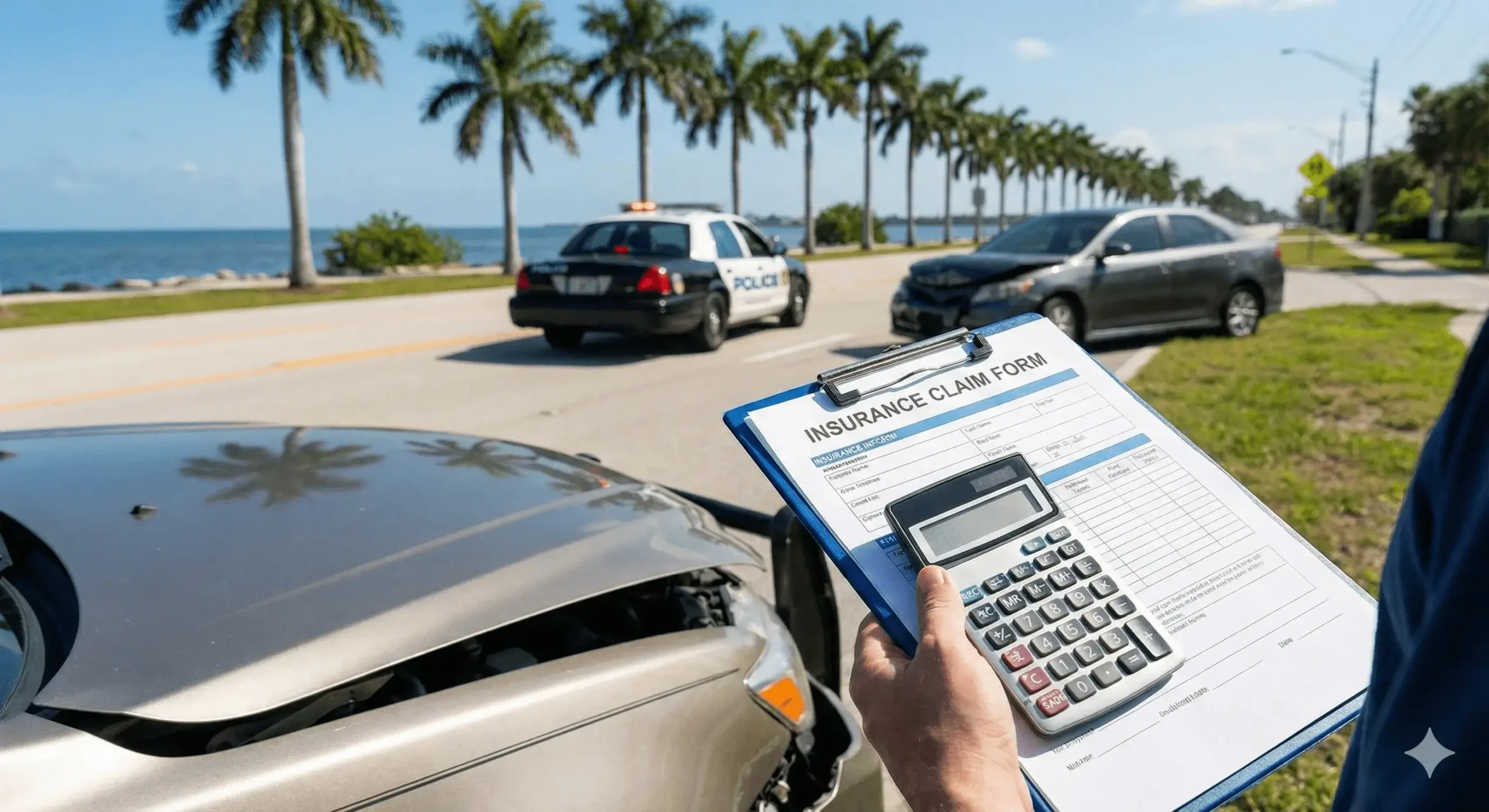
Florida car accident compensation is governed by no-fault insurance laws, strict medical deadlines, and fault rules that directly affect whether compensation is paid, reduced, or denied after a crash.
Understanding how PIP insurance works, when pain and suffering is legally allowed, and how fault percentages impact payouts is critical before insurers evaluate injuries, assign blame, or calculate settlement value.
How Car Accident Compensation Works in Florida
Florida car accident compensation starts with your own insurance under the state’s no-fault system, regardless of who caused the accident. This framework is designed to provide immediate benefits without waiting for liability disputes to be resolved.
However, no-fault coverage has strict limits. Only when specific legal thresholds are met can an injured person pursue additional compensation from the at-fault driver. These rules apply across Florida personal injury claims and often determine whether a case remains limited to PIP or becomes a higher-value claim.
Personal Injury Protection (PIP): Florida’s First Layer of Compensation
Personal Injury Protection (PIP) is the first source of compensation after most Florida car accidents. It exists to cover immediate medical costs and lost income while fault is still being evaluated.
PIP applies regardless of who caused the crash, but insurers frequently dispute treatment timing, medical necessity, and benefit limits. Understanding how Florida PIP works is essential before relying on it as the sole source of recovery.
Florida Auto Insurance Minimums That Control Compensation
Florida law sets minimum insurance requirements that directly cap how much compensation is initially available after a crash.
All drivers must carry:
- $10,000 in Personal Injury Protection (PIP)
- $10,000 in Property Damage Liability (PDL)
When vehicle damage exceeds PDL limits or coverage disputes arise, injured drivers often need to pursue Florida property damage claims alongside their injury case
What PIP Compensation Covers and What It Does Not
PIP compensation is limited by design. It typically covers:
- 80% of reasonable medical expenses
- 60% of lost wages
- $5,000 death benefit in fatal accidents
PIP does not compensate for pain and suffering, emotional distress, or long-term quality-of-life losses. Those damages are only available when Florida’s serious injury threshold is met.
The 14-Day Medical Deadline That Determines Eligibility
Florida’s 14-day medical rule determines whether an injured person qualifies for any PIP benefits at all. This deadline is strictly enforced and frequently becomes the deciding factor between a paid claim and a complete denial.
Failing to seek medical care within 14 days allows insurers to deny PIP benefits entirely, even if injuries later worsen or require extensive treatment.
How Compensation Is Claimed After a Florida Car Accident
Florida car accident compensation is not automatic. Insurance companies evaluate claims based on accident documentation, medical treatment timing, and compliance with Florida insurance rules. Missing or mishandling any step can delay payment or permanently reduce compensation.
Step 1: Establish the Accident Record
Every Florida car accident compensation claim begins with documented proof of what happened. Police reports, photographs, and witness statements form the foundation insurers and courts rely on when evaluating fault, credibility, and claim value.
Knowing what to do after a car accident in Florida can prevent documentation gaps that weaken your claim
Step 2: Activate PIP Coverage
PIP benefits do not begin automatically. The accident must be promptly reported to your insurance carrier to trigger coverage.
Delays in reporting or inconsistent statements may be used by insurers to justify reduced payments or deny portions of the claim.
Step 3: Obtain an Emergency Medical Condition (EMC) Diagnosis
Access to the full $10,000 PIP benefit requires an Emergency Medical Condition (EMC) diagnosis from a qualified medical provider.
Without an EMC diagnosis, insurers may legally cap benefits at $2,500, regardless of injury severity or long-term impact.
When Florida Law Allows Pain and Suffering Compensation
Florida law allows compensation beyond PIP only when injuries meet the serious injury threshold. This threshold separates routine no-fault claims from higher-value personal injury cases.
Qualifying injuries include permanent impairment, significant loss of bodily function, permanent scarring or disfigurement, or death.
How Fault Reduces Compensation Under Florida’s 51% Rule
Florida follows a modified comparative negligence system. Compensation is reduced by the injured person’s percentage of fault.
If an injured party is found 51% or more at fault, recovery is barred entirely. This rule makes fault evaluation a central factor in settlement negotiations and litigation strategy.
Florida’s Car Accident Compensation Time Limits
Florida law imposes strict time limits on car accident compensation claims. Most lawsuits must be filed within two years of the accident date.
Understanding how long you have to file a personal injury lawsuit in Florida is essential before negotiating with insurers.
Frequently Asked Questions
How much compensation do Florida car accident cases usually receive?
Compensation ranges from limited PIP benefits to six-figure or higher payouts depending on injury severity, fault percentage, and available insurance coverage.
Can compensation include future medical expenses?
Yes. Permanent or long-term injuries may qualify for future treatment, rehabilitation, and ongoing care costs.
Do insurance companies intentionally undervalue claims?
Yes. Insurers often challenge treatment timing, injury severity, and fault allocation to reduce settlement amounts.
Protect Your Right to Full Car Accident Compensation in Florida
Florida’s compensation system favors insurers that understand the rules and deadlines. United Law Group helps injured Floridians protect deadlines, document injuries, challenge fault determinations, and pursue maximum compensation, with no fees unless we win.