
Common Insurance Bad Faith Tactics in Property Claims Insurers Use to Delay or Deny Payment
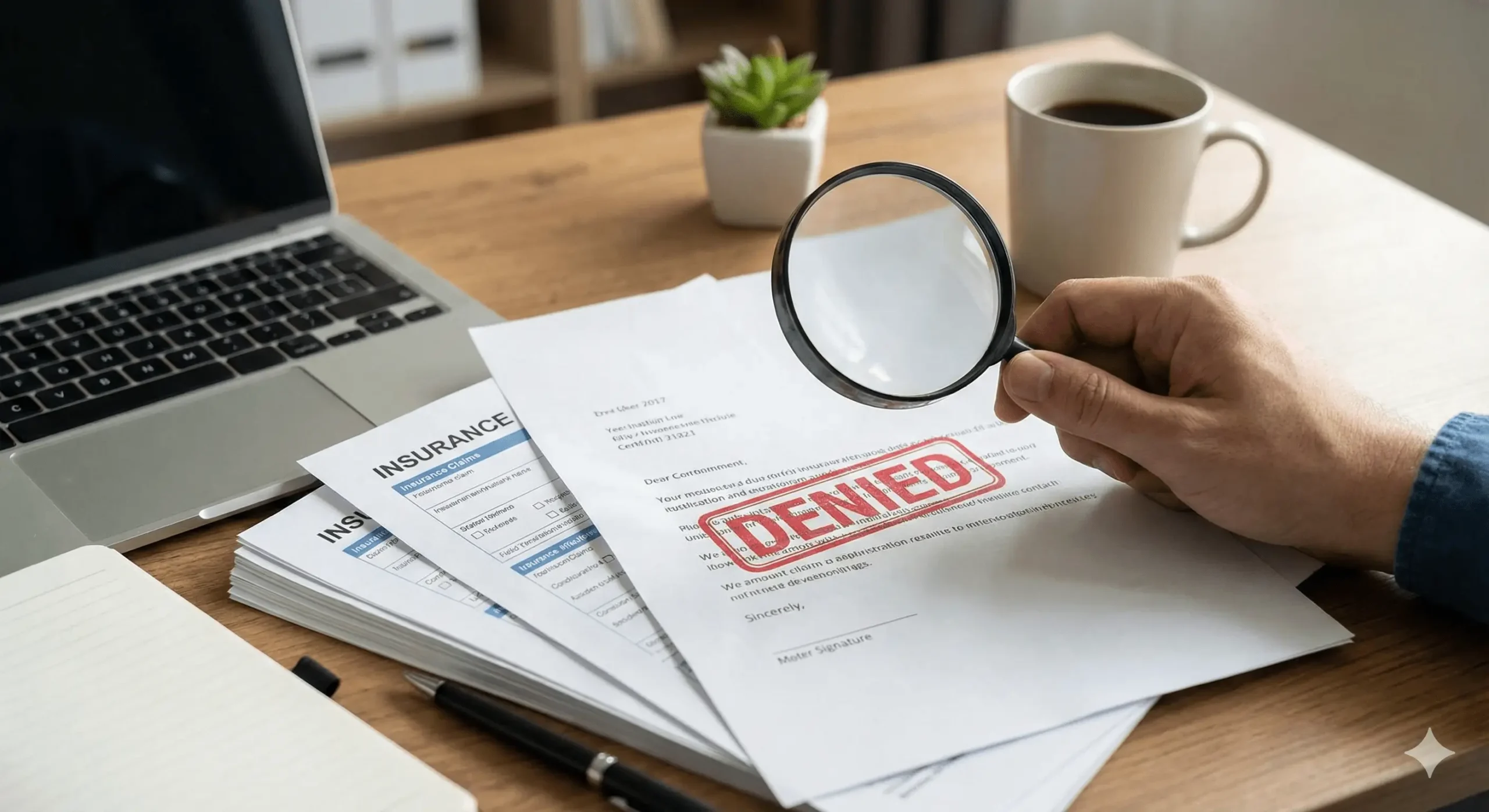
Insurance bad faith in property claims follows repeatable tactics that slow investigations, reduce settlement value, or justify denials after storm, fire, or water damage.
These practices shift financial pressure onto property owners when repairs are urgent, turning valid property damage claims into prolonged coverage disputes.
What Insurance Bad Faith Means in Property Damage Claims
Insurance policies require fair and prompt claim handling, and bad faith occurs when insurers prioritize cost control over factual evaluation.
Bad faith conduct commonly appears in Florida property damage disputes involving delayed inspections, unsupported denials, and selective investigations
First-Party and Third-Party Insurance Bad Faith
Insurance bad faith differs based on whether the insurer mishandles its own policyholder’s claim or fails to protect an insured from liability exposure.
First-Party Insurance Bad Faith
First-party bad faith involves denying damage without inspection, undervaluing repairs, or delaying payment without justification, issues frequently seen in Florida roof damage claims
where causation arguments reduce payouts.
Third-Party Insurance Bad Faith
Third-party bad faith arises when insurers refuse reasonable settlements or mishandle defense obligations, exposing insured parties to unnecessary financial risk.
The Core Bad Faith Strategies Used in Property Claims
Most insurance bad faith behavior follows a consistent pattern designed to reduce claim value through time and pressure.
Delay: Manipulating the Claims Timeline
Delays strain property owners by postponing repairs and reimbursement through repeated document requests, communication gaps, or adjuster reassignment.
These tactics are especially damaging in Florida condo damage claims, where delays affect multiple units and shared structures.
Deny: Relying on Technical Exclusions
Denials often rely on exclusions rather than evidence, with storm damage attributed to wear and tear or aging materials without proper testing.
Post-claim underwriting may also be used to challenge policy details after a loss instead of evaluating the damage itself.
Defend: Escalating Financial Pressure
When challenged, insurers may prolong negotiations or apply litigation pressure to discourage continued pursuit of the claim.
Common Insurance Bad Faith Tactics in Property Damage Claims
Certain claim-handling practices repeatedly signal improper conduct in property damage disputes.
| Bad Faith Tactic | How It Appears in Property Claims | Why It Signals Improper Conduct |
| Biased Investigations | Consultants favor insurer conclusions | Lack of independent evaluation |
| Policy Misrepresentation | Incorrect coverage statements | Misleads policyholders |
| Lowball Estimates | Repair values below market pricing | Ignores restoration costs |
| Hidden Release Language | Settlement terms embedded in payments | Waives rights without consent |
| Unsupported Denials | No policy language cited | Prevents dispute |
| Exploding Offers | Artificial deadlines | Applies improper pressure |
| Partial Payments | Ignoring related damage | Avoids full claim responsibility |
These tactics frequently affect Florida homeowners following hurricanes, windstorms, and water intrusions.
Real-World Examples of Insurance Bad Faith in Property Claims
Bad faith patterns are often revealed through documentation demands and valuation practices rather than single claim decisions.
Excessive Documentation Demands
After a fire loss, an insurer repeatedly rejects complete inventories for minor formatting issues while requesting unrelated documentation, delaying payment without advancing claim evaluation.
Ignoring Market-Based Repair Costs
Following hurricane damage, insurers may issue estimates far below multiple contractor bids and refuse reassessment, shifting valuation from assessment to underpayment.
How Property Owners Can Document Insurance Bad Faith
Proving bad faith requires showing that claim handling departed from reasonable standards.
Preserving written communications, tracking adjuster changes, and documenting response timelines helps establish patterns of delay and inconsistent explanations.
When Bad Faith Conduct Increases Property Damage Losses
Delays and partial settlements often worsen damage by postponing repairs and increasing out-of-pocket costs.
These impacts affect habitability, financing obligations, and long-term property value when secondary damage develops.
Legal Support for Property Owners Facing Insurance Bad Faith
United Law Group represents property owners across Florida and Texas whose claims were delayed, denied, or underpaid through unfair insurance practices.
Property owners experiencing insurance resistance may request a free case evaluation.
FAQs
How long can an insurer delay a property damage claim before it becomes unreasonable?
Extended inactivity without justification may indicate improper handling when it prevents timely repair or payment.
Can partial payment still qualify as bad faith conduct?
Paying only selected portions of a covered loss while ignoring related damage can reflect intentional claim fragmentation.
Does bad faith require proof of insurer intent?
Bad faith focuses on unreasonable conduct based on available facts rather than proving malicious intent.
Can repeated delays support a bad faith claim?
Multiple delays may collectively demonstrate improper handling when they prevent timely resolution.