

What Evidence Helps Prove a Property Damage Case? The Proof Insurers Require
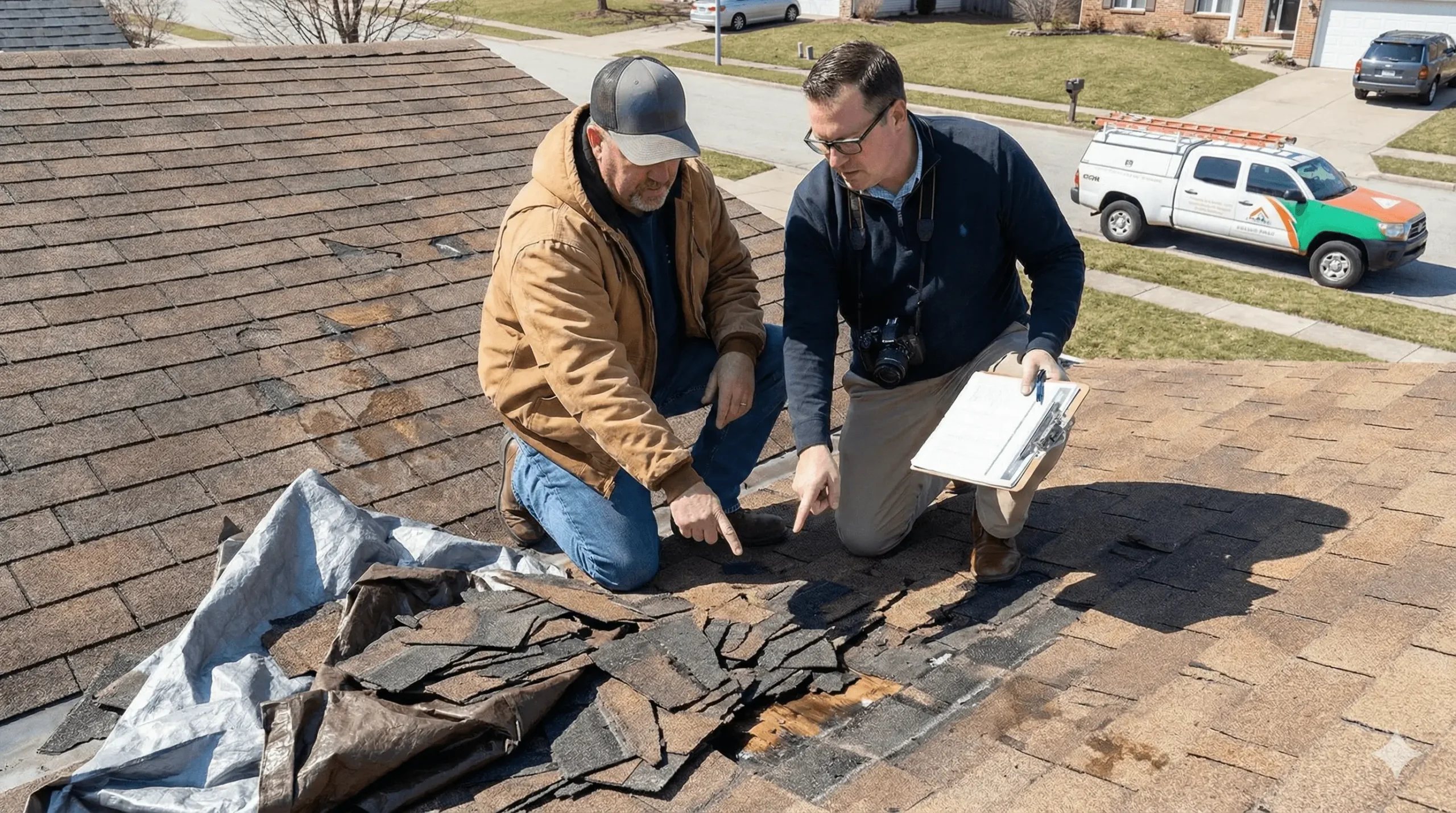
Insurance companies evaluate property damage claims using documentation standards, not personal accounts. Evidence must show that the damage occurred suddenly, resulted from a covered cause, and produced measurable financial loss.
Strong claims consistently establish four elements: what was damaged, when the loss occurred, what caused it, and the cost to repair or replace the property.
Why Evidence Determines Whether a Property Damage Claim Is Paid or Denied
Insurers rely on evidence to determine whether damage qualifies under policy terms. When documentation leaves gaps, losses are commonly reclassified as pre-existing damage, gradual deterioration, or excluded causes, which drives disputes in property damage claims even when damage is visible.
The Four Legal Questions Evidence Must Answer in a Property Damage Case
To recover compensation, evidence must define the damage, confirm the date of loss, establish causation, and support valuation under insurance standards. Each evidentiary category below corresponds to one of these legal requirements.
Visual Evidence That Establishes Scope and Severity
Photos and videos are used to confirm damage exists and that its pattern aligns with the reported event. Insurers evaluate visuals for scale, location, and consistency with the claimed cause.
Effective documentation includes wide shots for context, mid-range images linking damage to surrounding structures, and close-ups capturing fractures, impact points, or water intrusion lines. Video walkthroughs strengthen continuity by showing how damage areas relate to the structure as a whole.
Proof of Ownership and Verifiable Property Value
Insurers require proof that damaged property existed and had measurable value at the time of loss. Unsupported estimates are typically rejected.
Receipts, financial records, warranties, and installation invoices establish ownership and value. When receipts are unavailable, secondary records such as bank statements or warranty registrations are used to substantiate the claim.
Evidence Showing Pre-Loss Versus Post-Loss Condition
Insurers frequently argue that damage existed before the reported incident. Evidence must demonstrate a condition change attributable to the event rather than wear, maintenance issues, or aging materials.
Maintenance records, inspection reports, and prior repair documentation establish pre-loss conditions. Listing photos and appraisal records are often relied upon in Florida property damage cases involving storm or water-related losses.
Expert Reports That Confirm Cause and Repair Scope
When causation is disputed, expert evaluations provide technical conclusions linking damage to a specific event. These reports often determine whether a claim progresses.
Contractor estimates define repair scope and cost, while engineers or specialists assess whether damage resulted from sudden impact, system failure, or external forces, which is common in Texas property damage cases.
How Metadata Strengthens Property Damage Evidence
Digital photos and videos contain embedded metadata that records when and where files were created. Insurers rely on this data to verify timelines and challenge claims using alleged outdated documentation.
Original, unedited files preserve metadata used to verify timing and location, reducing challenges to the reported date of loss.
Proving Causation: Connecting the Event to the Damage
Evidence must link the incident directly to the damage, as visible loss alone does not establish causation. Insurers assess whether the event logically explains the damage type, location, and severity.
Expert findings are often required to resolve disputes involving storms, water intrusion, or structural movement, particularly when covered and excluded causes are contested.
Documenting Property Damage After an Incident
Early documentation shapes claim strength because insurers assess whether reasonable steps were taken to prevent further damage and preserve evidence.
Effective documentation includes mitigation records, detailed inventories, retained damaged materials, and written communication logs, consistent with requirements outlined in how to file a property damage claim.
Evidence Mistakes That Commonly Weaken Valid Claims
Claims are often reduced or denied due to documentation gaps rather than lack of damage. Insurers use inconsistencies to dispute cause, timing, or valuation.
Common issues include vague inventories, missing timelines, reliance on insurer estimates, or discarding damaged property before inspection.
FAQs
What evidence carries the most weight in disputes?
Evidence establishing causation and timing, particularly expert reports supported by time-stamped visuals.
How do insurers assess conflicting evidence?
By evaluating consistency, expert credibility, and objective data such as metadata and inspection records.
Can older records support a current claim?
Yes. Prior records commonly establish pre-loss conditions when paired with post-loss documentation.
Why do insurers request additional evidence after inspection?
To identify inconsistencies or delay resolution when coverage or valuation is contested.
How Strong Evidence Protects Your Property Damage Claim
Property damage claims succeed when evidence is structured, defensible, and aligned with insurance standards. United Law Group helps property owners identify documentation gaps, challenge improper denials, and pursue full compensation when claims are delayed or underpaid.